
Volvo Vehicle Gas Type: Required Octane, Fuel Tank, And MPG By Model

The recommended Volvo gas type is premium fuel across the lineup, with hybrid and plug-in hybrid models each needing 91 or above octane. This is because of how the engine is built: Premium fuel works well with the B4, B5, B6, and T8 Volvo engines to maximize efficiency and responsiveness, helping your luxury model perform at its best. While you can use regular gas, your Volvo may experience significantly reduced performance and fuel economy, and it may be damaged over time.
At Volvo Cars Richmond, we want you to be comfortable driving and refueling your Volvo SUV. Explore the new models in our showroom and see how the premium Volvo fuel type affects your drive.
Volvo Gas Type by Model and Engine
Most new Volvo cars for sale that aren't purely electric require premium gasoline to work at maximum fuel efficiency and performance. And that includes nearly every level of electrification: From our mild-hybrid models like the Volvo XC40 to the plug-in hybrid models like the Volvo XC90 PHEV, you'll want to invest in high-octane gas if you want the most range and performance out of the B4, B5, B6, and T8 engines.
| Model | Most Recent Model Year | Engine(s) | Required Octane | Fuel Tank Capacity |
|---|---|---|---|---|
| Volvo XC40 | 2027 | B4 | Premium | 14.2 gal |
| Volvo XC60 | 2027 | B5 | Premium | 18.8 gal |
| Volvo XC90 | 2027 |
| Premium | 18.8 gal |
| Row Label | 2027 | T8 | Premium | 18.8 gal |
| Row Label | 2027 | T8 | Premium | 18.8 gal |
Can You Use Regular Gas for Your Volvo SUV?
While it's possible to use regular gas for your Volvo SUV, it is not recommended, especially if done consistently. Volvo engines are designed with high-octane (91+) fuel at their core. Lower-octane fuel can still power the engine, but it won't run as efficiently, reducing both performance and overall range.
Say your Volvo XC60 is low on fuel, and the only gas station nearby sells regular. You can fill your tank with regular gas and be able to drive, but you'll notice your Volvo XC60 MPG is lower than expected. It will likely take longer to reach 60 mph, too. This isn't the end of the world, but it won't save you money compared to higher-octane fuel because of reduced efficiency.
However, if you use regular fuel too often, the Volvo premium gas requirement becomes increasingly obvious. The B4, B5, B6, and T8 engines are designed to use denser, high-octane fuel. Using regular gas too often can wear down or permanently damage under-hood components.
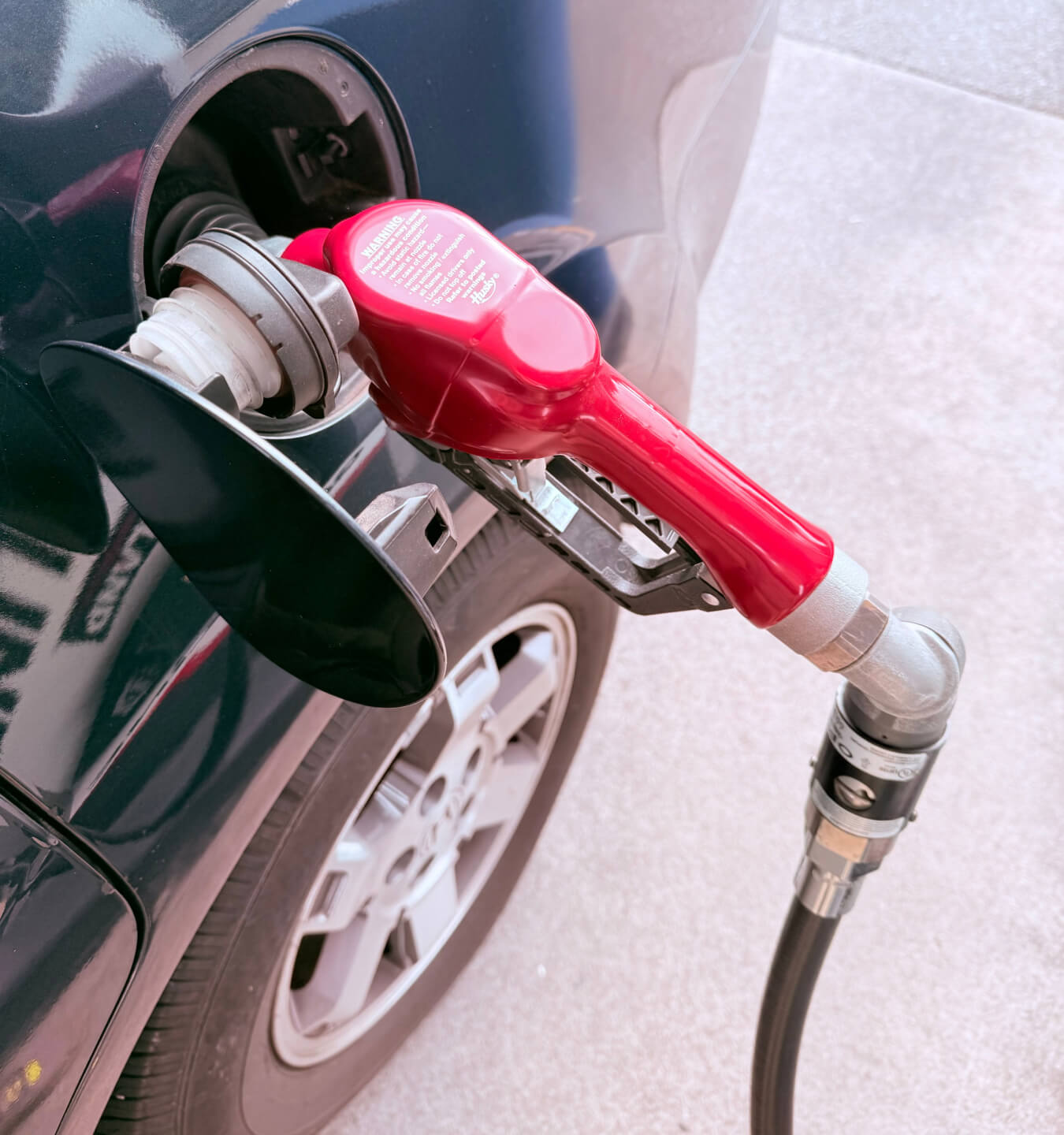
What the B4, B5, B6, and T8 Engine Names Mean for Fuel
All four modern Volvo engines require premium fuel to run effectively, but how do they differ? Here's a rundown across the current model year lineup:
- B4 (Volvo XC40): This more compact engine is for smaller models, like the Volvo XC40. As a result, it's our most fuel-efficient mild-hybrid engine, stretching each drop as far as possible while staying responsive and powerful.
- B5 (Volvo XC40, Volvo XC60, Volvo XC90, Volvo V60 Cross Country): The most popular of our engine configurations, the B5 is a 2.0-liter turbocharged engine positioned as the core mixture of fuel economy and eco-friendliness. Like the other engine, the Volvo B5 fuel type is premium, requiring 91 or higher octane.
- B6 (Volvo XC90): Reserved for our larger SUVs, the B6 adds a supercharger to the 2.0-liter engine to produce a fast, responsive experience -- though it will take slightly more gas to go the same distance.
- T8 (Volvo XC40 PHEV, Volvo XC60 PHEV, Volvo XC90 PHEV): The T8 engine is a similar 2.0-liter supercharged and turbocharged four-cylinder engine with a plug-in hybrid motor attached: it's for our models with all-electric range, like our Volvo XC60 plug-in hybrid. You'll still need 91 or higher octane fuel to fill the tank, but the extra range can help with backroad commuting or errands around town.
The Volvo XC40 gas type stays the same across its two engine options (the B4 and B5), so you won't have to know which powertrain you have at the gas station; the same goes for the Volvo XC60, Volvo V90, and Volvo XC90 fuel type.


Mild Hybrid vs. Plug-In Hybrid: Does Fuel Change?
Notably, the B4, B5, and B6 engines all have something in common: mild-hybrid technology. All modern Volvo models have some level of electrification. The Volvo XC40, Volvo XC60, and Volvo XC90 are "mild hybrids." This means they take in premium fuel and use a small motor to supplement every drop of gas. These models use an advanced recharging system known as regenerative braking to keep their engines efficient even in stop-and-go traffic.
Currently, the T8 engine is used in the two Volvo plug-in hybrid SUVs. It uses a gas motor that's similar to the mild-hybrid B6, but instead of mild-hybrid technology, the plug-in hybrid powertrain uses a much stronger battery-and-motor setup. Because of its size and battery, the plug-in hybrid needs external power to reach its full potential. In return, a plug-in hybrid engine often improves fuel economy, adds all-electric range, and pairs with a similarly sized fuel tank. The T8 still requires premium fuel but relies on gas less than the B4, B5, or B6.
Plug-in hybrids do provide a stronger, more efficient experience, but they require extra work through at-home or public charging stations. Mild-hybrid vehicles are less efficient but don't require charging, making either option a valid choice.


Fuel Tank Capacity and Range by Model
Your overall range is dictated by how efficient your car is and how large its fuel tank is. For instance, since both the Volvo XC60 and Volvo XC90 gas type use premium fuel and share the same engine, the more fuel-efficient Volvo XC60 will have better all-gas range.
The list below features the engine options for the five most popular hybrid and plug-in hybrid models.
- Volvo XC40: 14.2-gallon tank, 383 miles total range (B4),1 369 miles total range (B5)1
- Volvo XC60: 18.8-gallon tank, 489 miles total range1
- Volvo XC90: 18.8-gallon tank, 451 miles total range,1 432 miles total range (B6)1
- Volvo XC60 PHEV: 18.8-gallon tank, 35 miles of all-electric range,2 560 miles total range1
- Volvo XC90 PHEV: 18.8-gallon tank, 32 miles of all-electric range,2 530 miles total range1
Remember: These figures are only estimates and only factor in high-octane gas. If you don't follow the recommended Volvo XC60 fuel type, it can't reach that impressive total range of nearly 500 miles.1


Does the Volvo Lineup Include Gas-Free Models?
Yes! Beyond our plug-in hybrid models, the Volvo lineup includes several fully electric powertrains. Not only do these models not use a drop of gasoline, but they also often have more power than the gas models, thanks to a constantly updated all-electric framework that keeps the Volvo EX40, Volvo EX60, and Volvo EX90 at the edge of EV technology.
If you want to take the next step toward reducing your carbon footprint, we highly recommend scanning through our fully-electric Volvo inventory and finding an SUV that exceeds your expectations. We can also walk you through how at-home charging works, whether it's through a standard outlet for a Volvo XC90 Plug-In Hybrid or a dedicated Level 2 station for your Volvo EX60.

Learn More About Volvo Fuel Requirements at Volvo Cars Richmond
Now that you know the recommended Volvo gas type, it's time to invest in your next luxury SUV! Expand your horizons by choosing your favorite SUV, such as the Volvo XC40, Volvo EX90, or Volvo XC60. Gas type recommendations are the same, so you can choose the body style you prefer.
Frequently Asked Questions
Can I use regular gas in my Volvo XC60?
While it is possible to use regular gas in your Volvo XC60, it's not recommended to do so on any sort of consistent schedule. Your Volvo XC60 is designed with premium fuel in mind: you can use regular gas, but your engine will burn through it quickly, deliver reduced performance, and may cause additional wear and tear. Please use 91+ octane gas when possible.
Do all Volvo vehicles need premium gas?
Currently, all gas Volvo vehicles require premium gas to perform at their best. The Volvo XC60, Volvo XC90, and Volvo XC40 are built for high-octane fuel, meaning they will perform worse and could even be damaged if you use regular gas. However, the Volvo EX30, Volvo EX40, Volvo EX60, and Volvo EX90 are all gas-free, all-electric SUVs.
Are any Volvo models gas only?
All Volvo vehicles are electrified in some way. The Volvo XC40, Volvo XC60, and Volvo XC90 have no electric motor and rely on mild-hybrid powertrains to reduce fuel use and go farther on every gallon of premium gasoline. These models have plug-in hybrid variants with a small boost of all-electric range, as well as all-electric siblings, like the Volvo EX60 and Volvo EX90.
Contact Us Today
* Indicates a required field
1Estimated ranges provided are subject to variation based on factors such as fuel levels, driving habits, road conditions, and individual vehicle performance. These estimates should be used for comparison purposes only and shall not be solely relied upon.
2Estimated range according to the EPA driving cycles. The actual range achieved under real conditions varies depending on driving behavior, driving conditions, how you maintain your vehicle, battery and other external factors. Visit www.fueleconomy.gov for further information.